Turpincrawford.com

All About Wonderful Art

Latest Posts

The Influence of Art Nouveau on Modern Interior Design
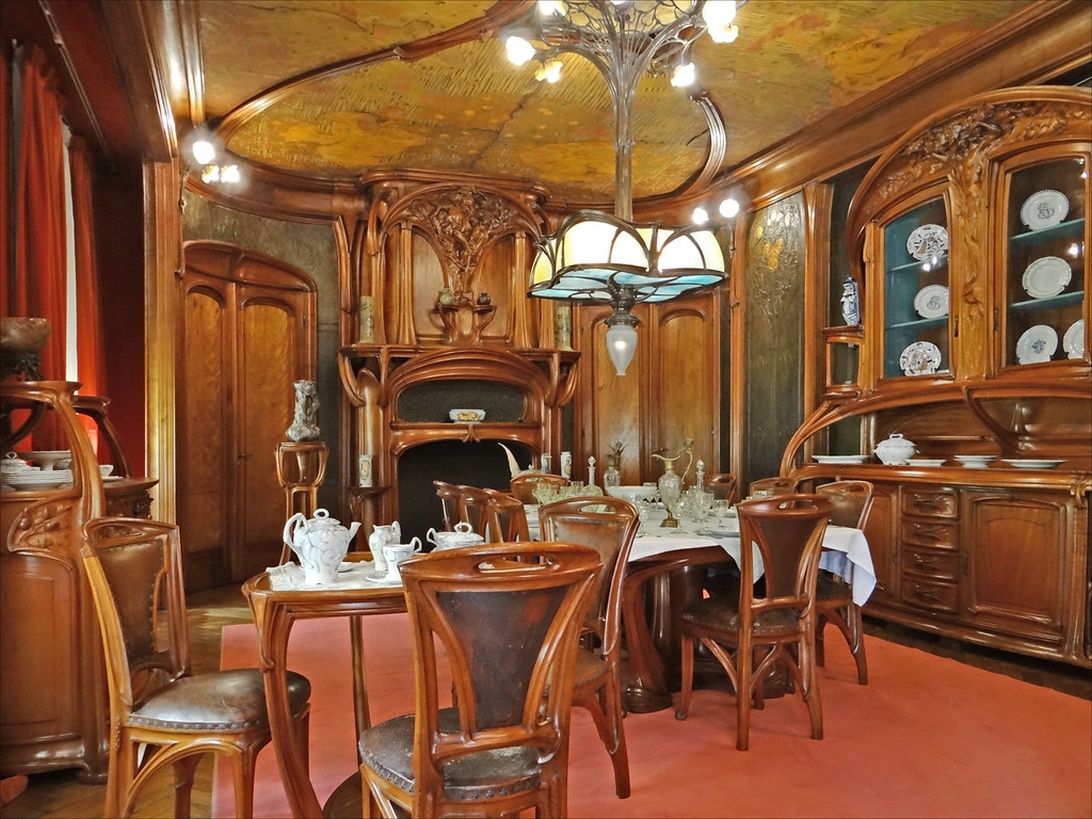
Art Nouveau, a revolutionary art movement that blossomed between approximately 1890 and 1910, may seem like a distant historical style. However, its core principles and aesthetic elements continue to subtly, yet profoundly, influence modern interior design. Born as a reaction against the rigid academicism and industrial mass production of the 19th century, Art Nouveau sought a ‘new art’—one that embraced both nature and modernity. This approach has surprising relevance to current design trends.

The Essence of Art Nouveau

Art Nouveau was more than just a style; it was a philosophy. It aimed to dissolve the traditional hierarchy between fine arts (painting and sculpture) and applied arts (furniture, textiles, and interior design). This concept, known as Gesamtkunstwerk or ‘total work of art,’ advocated for the unification of all design elements within a space. Every detail, from the architecture to the doorknobs, as mentioned in Sainsbury Centre, contributed to a harmonious and aesthetically unified environment. The movement championed craftsmanship and celebrated the beauty of organic forms, drawing inspiration from the natural world. Think flowing lines reminiscent of plant tendrils, floral motifs, and the graceful curves of insect wings, as detailed by Britannica.

Nature’s Embrace: Organic Forms and the Whiplash Line

One of the most recognizable features of Art Nouveau is its use of organic forms. Unlike the rigid symmetry of previous styles, Art Nouveau embraced asymmetry and the dynamic, flowing lines found in nature. This is best exemplified by the ‘whiplash’ line – a dynamic, undulating curve that suggests movement and growth, often compared to the snap of a whip or the curve of a plant stem. This line, as discussed on Smarthistory, became a defining characteristic, appearing in everything from furniture and ironwork to graphic design and architecture. The whiplash line adds a sense of vitality and organic energy to interior spaces.

Materials and Innovation

Art Nouveau was also groundbreaking in its use of materials. It embraced modern materials like iron, glass, ceramics, and even concrete, not just for their functionality but also for their aesthetic potential. Designers celebrated these materials, using them to create unusual forms and expansive, open spaces. The use of ironwork in stair railings and decorative elements, a hallmark of Art Nouveau, finds contemporary echoes in minimalist and industrial-inspired designs. The pioneering approach to materials, as explored by Wikipedia, continues to inspire modern designers to explore innovative materials and their expressive possibilities.

Lasting Impact on Modern Design

While Art Nouveau’s peak popularity was relatively short-lived, its influence on modern interior design is undeniable. Several key aspects of contemporary design can be traced back to this influential movement. For example, many modern designers continue to draw upon biophilic design principles, integrating natural elements, textures, and forms to create spaces that enhance well-being. This echoes Art Nouveau’s foundational connection to the natural world. The emphasis on creating a cohesive and aesthetically unified environment, where every element contributes to the overall artistic vision, is also a direct inheritance from Art Nouveau’s Gesamtkunstwerk concept.

Contemporary Echoes

Modern designers often use asymmetry to create visual interest and dynamic compositions, breaking away from overly formal layouts, a concept present in Art Nouveau. The use of statement pieces, artistic lighting, and the integration of art and craft into living spaces also mirrors the decorative elements integral to Art Nouveau interiors. Designers like Louis Comfort Tiffany and Émile Gallé, who introduced vibrant colors and nature-inspired motifs through lamps, vases, and stained glass, are still inspiring designers today. The holistic approach, where every element is designed to contribute to a unified aesthetic, is a cornerstone of modern interior design practice, emphasizing cohesive design narratives, as mentioned on ArchDaily.

Conclusion

Art Nouveau’s legacy is not about direct replication but about the enduring influence of its core principles. The movement’s rejection of historical imitation, its celebration of nature and modernity, its emphasis on unified design, and its innovative use of materials continue to inspire and inform contemporary interior design. It serves as a reminder that design can be both beautiful and functional, artistic and accessible, creating spaces that resonate with both history and the present day.
Everything a Homeowner Needs to Know About Abstract Posters

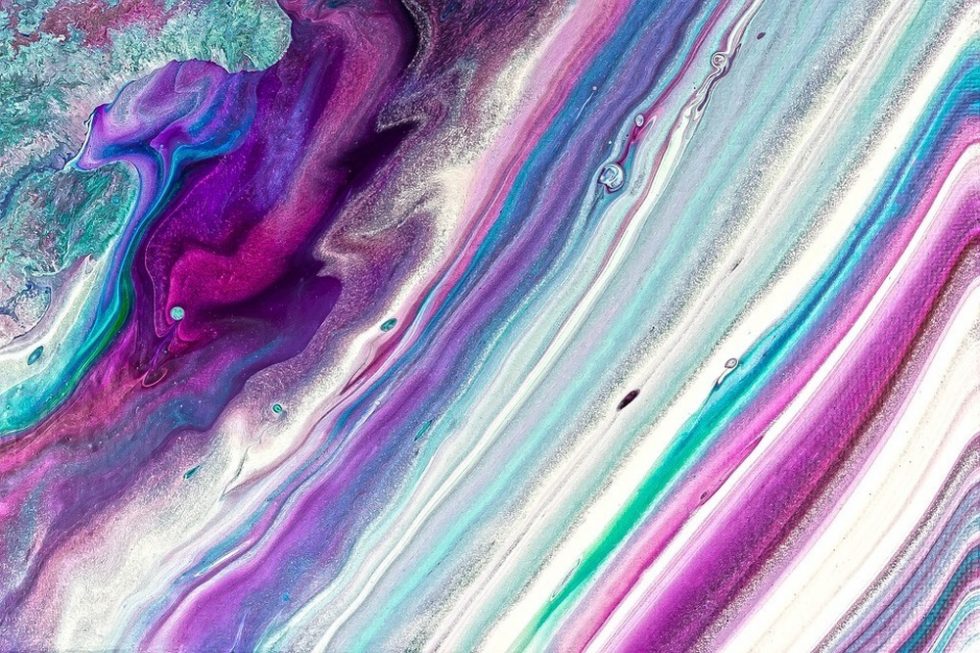
Abstract art pieces enjoy enigmatic allure and boundless interpretation. It”s a known fact that many people find it somewhat difficult to grasp what these art forms represent, but those who do will never pass by an abstract art poster. Are you still wondering what these art forms have to offer?

Why Abstract Art Posters?

Most abstract art critics often dislike the genre for its lack of clearly recognisable subjects. Instead, abstract posters welcome viewers to find their own meaning from the elements depicted in the art piece. Abstract wall art pieces speak directly to our emotions while transcending temporal and cultural boundaries, which is undoubtedly alluring.

Incorporating these pieces into living rooms is no longer a novelty. Abstract posters are an integral component of modern-day interior design practices. Showing massive versatility, these art forms enjoy sustained interest, making them highly preferred by interior designers and homeowners.

How to Display Abstract Art Pieces

Colouration presents an easy way to create a focal point in any space. Suppose you have white or dark walls. Adding a vibrant and decorative poster will make your artwork stand out. This is most effective with simple abstract paintings or a large canvas filled with dramatic depths of colour.

You can always try monochrome wall art pieces if you are not into bright hues. With posters having big and robust black-and-white strokes, you are still good to go. Monochrome artworks go particularly well with light, minimal decor, but they can also be toned down with natural elements.

Another way to go about this is to create a gallery wall. A collection of abstract pieces with all manner of geometric shapes, clean lines, and loose painting can be creative and visually striking. This approach can be good if you can”t enjoy moody, thought-provoking, bright, and fun designs.

The Rise of Digital Art

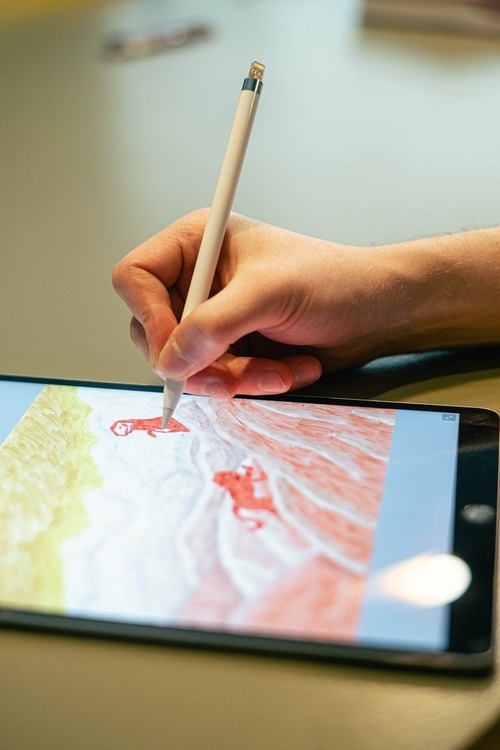
When people imagine art, their minds may think of traditional mediums such as painting and sculpture. However, new technological advancements have led to the rise of digital art. Devices such as iMacs allow users to create works that could never have been possible before the computer age. Apple products, however, can be too pricey for some. The good news is that affordable refurbished iMacs are available from mResell. This hardware opens up a plethora of artistic possibilities.

Image Editing Software

Apple is renowned for its easy to use image editing programmes. Photoshop can run on an mResell refurbished iMac and the images created may be posted online. Some artists like to produce designs entirely from scratch. They will start with a blank digital canvas. However, it is also common to upload a picture and then transform it until it becomes something entirely different. Whichever option a person goes for, they will have hours of fun experimenting.

Selling Prints Online

It is even possible to make money from one’s art. The eCommerce sector has grown considerably recently. Anyone can start their own online store. Customers may order prints of the artist’s work. One popular option is to sell them as t-shirts. It is essential that sellers only use images that they own the right to. Otherwise, they could end up breaking copyright laws.

Animations

During the noughties, Flash animations were a staple of the internet. Apple users would get creative and make increasingly more elaborate ones. This program is now obsolete. However, a dedicated community of animation artists remain. These people tend to utilise iMacs. If they are concerned about the high cost, they can order a refurbished one from mResell. It is difficult to make money from this form of art. Using reliable second-hand hardware will be more cost-effective.

Social Media

Artists who want to gain a following should take advantage of social media. Creating a page to showcase their work has proven to be a tried and tested method. These pages could also lead visitors to their eCommerce store. An iMac is a perfect device to use because the interface is so simple. Even people who are not very tech-savvy can eventually learn to master this tech.

Different Types of Wall Art to Decorate a Living Room

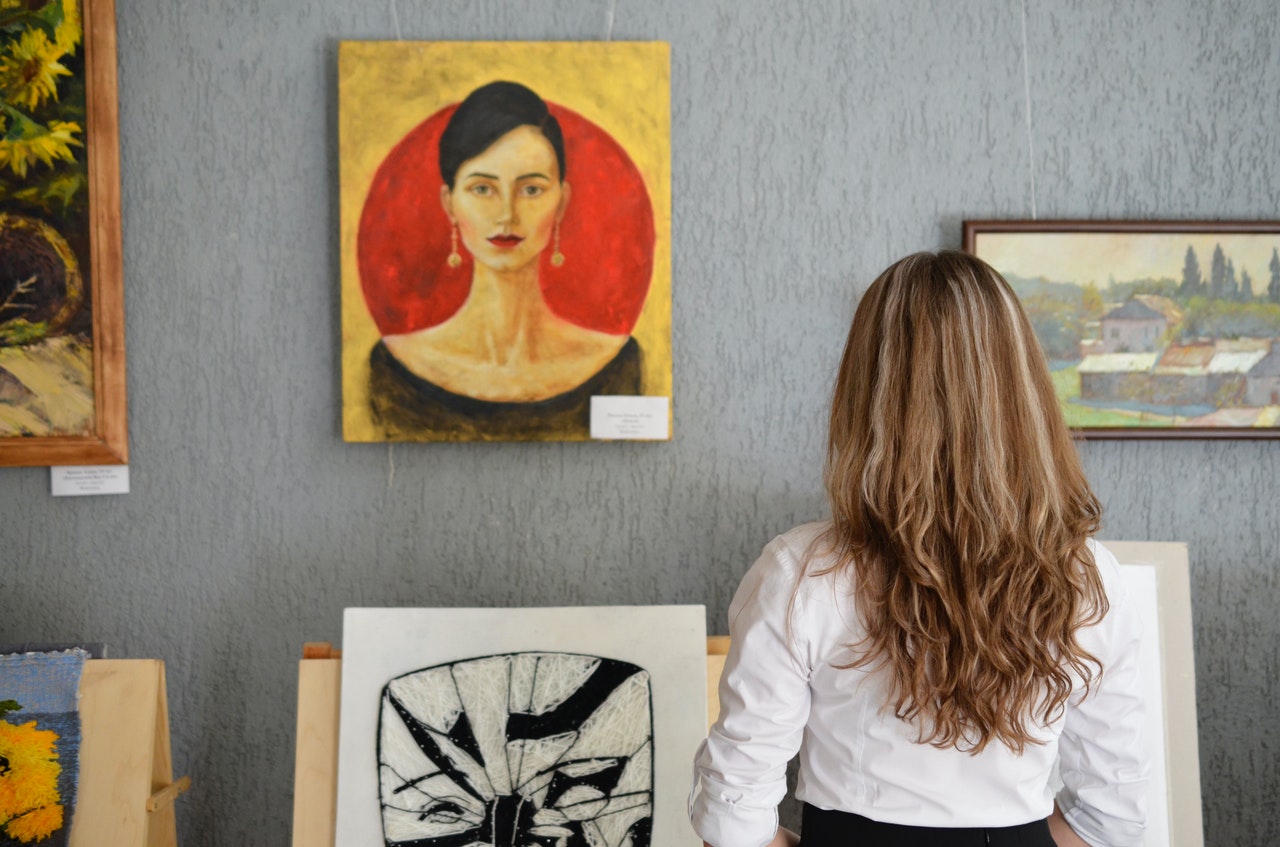
If you’ve just moved into a house, a plain wall can be monotonous to gaze at. You need to add some color and style to improve the look of the wall and create a welcoming feel. Wall art is a form of creativity inspired by drawings, paintings, nature, and different types of art. A good choice can be used to customize and display your taste and preference.

Below are the different types of wall art you can install in a living room.

Abstract Wall Art

Abstract wall art can be used to display a liberal mind and a form of independence. Artists use a combination of shapes, colors, designs, and any other expression without reference to any type of reality. There are also lots of 3D wall art samples available on the web for your perusal.

Wallpaper Art

Wallpaper provides a ready-made solution to decorate walls or give a break from paint. The modern wallpaper designs are easy to hang and remove. The evolution of digital art has made it possible to get unlimited designs and colors to choose from. Some of the materials used to create wallpapers include vinyl, grasscloth, paper, and non-woven options.

Wall Paintings

There are quick solutions to decorating walls and interiors of a home, such as pictures and wallpaper. However, nothing expresses a moment better than a painting hung on a wall. The work of an artist considers unique aspects such as texture, a mixture of color, and background to transform a memory completely.

Wall Photographs

There are plenty of moments that can only be best captured using a photograph. Frames with pictures of the entire family, weddings, poses with a political or sports celebrity, and critical moments in life such as a graduation can be hung on the wall.

Benefits of Digital Textile Printing in Fashion

Over time, there have been several developments as far as textile printing is concerned. Of all the methods introduced, digital printing is the most promising today. In this article, find three reasons why this form of textile printing is the most preferred when it comes to fashion art.

Excellent Print Quality

Most designers today rely on digital art, and together with digital printing machines, they can come up with superior print quality compared to what the traditional textile printing methods offered. Also known as direct-to-garment (DTG), this method combines unlimited colors and design options to produce precisely the same design on the fabric, as is on the computer. This is the reason top fashion brands like Puma, Gucci, Prada, Aim’n, Nike, Adidas, and the rest print their clothing digitally.

Digital printing is also limitless as designers can print anything, from solid colors, mixed patterns, logos, and virtually anything.

Efficiency

Another benefit of digital printing is its efficiency. First, it allows fashion designers to print on any material, talk of silk, polyester, cotton, linen rayon, wool, e.t.c. The turnaround is also faster, and this makes a lot of sense in the manufacturing environment where bulk printing is a priority. Lastly, digital printing tags along with reduced consumption of materials, and also reduced wastage.

Indeed, in the last few years, digital printing has revolutionized art, and ultimately, it is the future of the fashion industry.

Expressionism

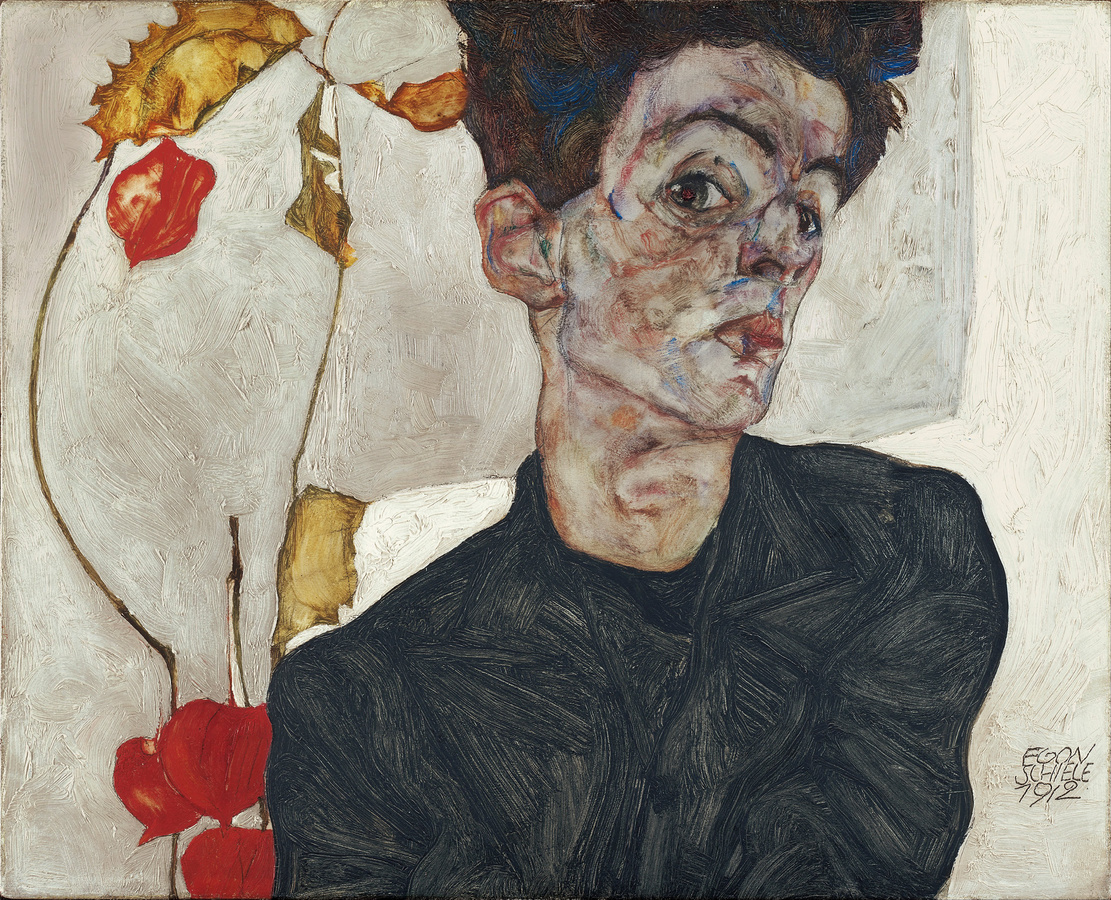
Expressionistic painting was most prominent between 1905 and 1920. The style had its origins in Germany and Austria. Artists tried to get an emotional reaction from the audience. Paintings often show distortion, exaggeration, dreamlike qualities, violence and colours that show the artist’s mood, emotions or ideas.

Expressionism had its roots in the chaotic lead up to WW1 and was both a reaction to and gained inspiration from impressionism in Germany around 1905. Impressionism’s focus on style over emotion resulted in artists such as Die Brücke wanting to get more reactions and a stir of feelings.

Some paintings and painters were motivated by Vincent Van Gogh or Edvard Munch who were both seen as an inspiration for the movement. Painters would use artificial colour palettes, quick brushstrokes and exaggeration of shapes and lines. Figures are often distorted, and the colours not standard.

The way that we see things is challenged in paintings of this style. It is subjective and focuses on the inner world of the painter as well as the emotion of what is being felt. It was not the aim of the painter to create a pleasing feeling for the viewer.

The legacy of expressionism is a long one that went beyond its fading in 1920 and influenced Abstract Expressionism. Painters even looked at the style in the 1970s with the creation of Neo-Expressionism. Expressionism also influenced contemporary art, futurism, cubism and surrealism. Some artists can see expressionism in some Baroque paintings with both showing shock and emotions with a different level of intensity.

The importance of expressionism was the incredible reactions and emotions that challenged the viewer. The style made for emotional expression from the painter onto the canvas and continued to influence painting for generations.

Digital Art

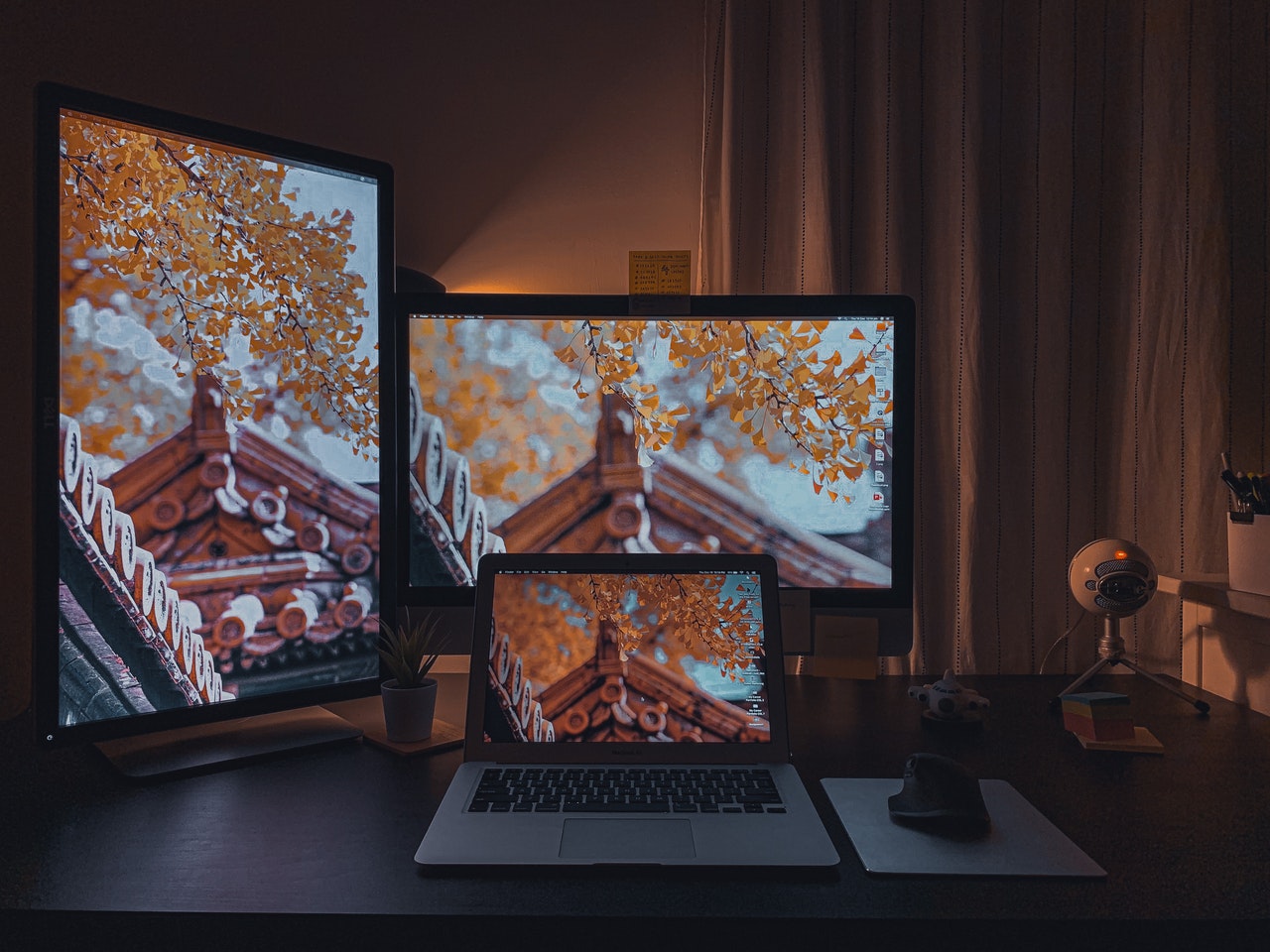
Digital art has become increasingly popular with the creation of computers, laptops and modern programmes which can manipulate and add to all kinds of images. Digital art is mostly used on websites, games and various social media. 3D animation is also a part of the digital art phenomenon.

Digital art is made entirely using computer programmes or by manipulating existing artworks and hand-drawn pictures that are scanned and then completed using programmes such as Photoshop or Adobe Illustrator.

The phrase ‘digital art‘ was first coined in the 1980s. However, early digital art was being created even in the 1960s. Kenneth Knowlton and Leon Harmon created some of the first digital art images by taking a photograph of a nude woman. It was changed with computer pixels and transformed into a picture made up of many small computer pixels to make up a larger image.
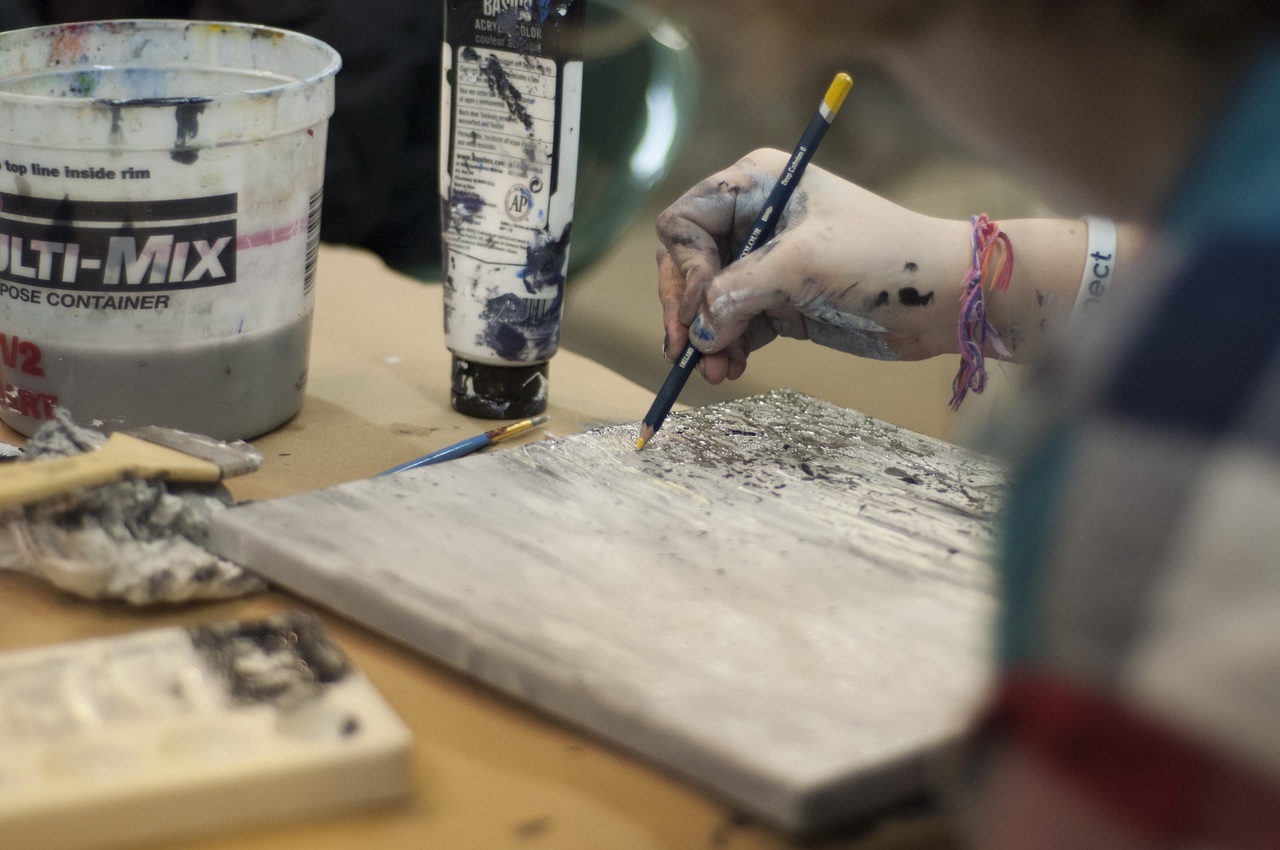
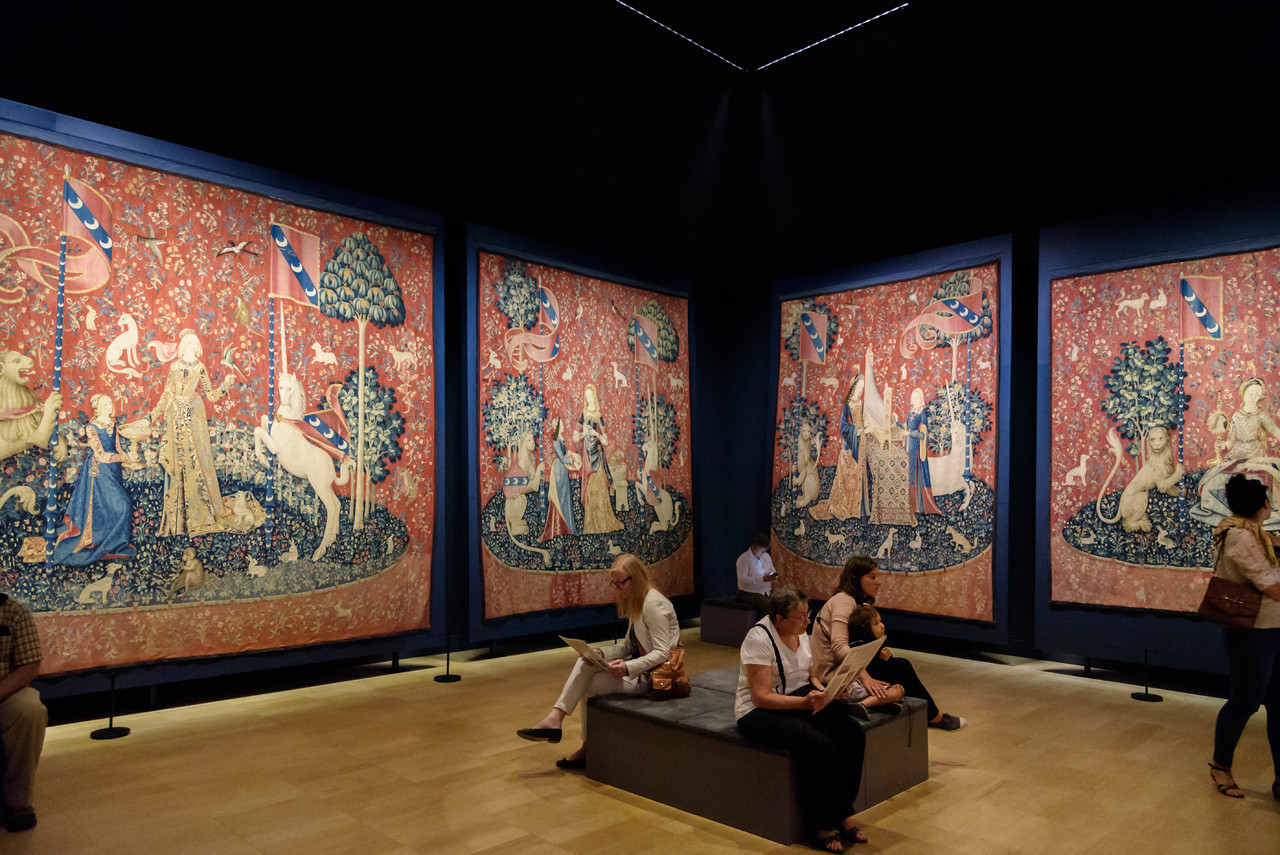

With the development of technology, art has also undergone several changes and modifications. As such, digital art, or computer art, is a kind of modern art that is mostly used in creating websites, video games, clip art, and templates. Digital art includes 3D animation for films, television, commercials, and web advertising.

Impressionistic Paintings

Impressionism is considered the first significant movement in painting and was mostly adopted by French painters. Impressionism broke the standard convention of exhibiting work at state salons and academies. They created paintings that showed colour, tone and light more following the artist’s ideas than the subject itself. Painters wanted to hold independent exhibitions beginning in 1860s Paris. The style then spread all over Europe and the U.S.

Some Common Characteristics of Impressionism

Impressionism was a style that told a story using realistic scenes. Changes to the way that light was shown and the use of the brush was different from previous styles The painter typically used small thin brushstrokes with lots of movement, atmosphere and changes in light that were experimented with often. In contrast, paint is usually laid on a surface thickly enough so that painting and knife strokes can be seen.

Rather than painting scenes which depicted history or mythology, the artists wanted to show more modern and contemporary views of the bourgeois enjoying life both in nature and in urban areas. Colour and tone were more exact, and the perceptions of the artist’s subject matter were more important than the subject itself. Painters wanted pure colour and paint on the surface became more important to change perspective.

The blue sky is seen reflecting onto surfaces to demonstrate more freshness. Colour is sometimes mixed on the surface and often placed into wet paint to make softer edges and more intermingling.

Earlier traditions of painting started with darker layers of paint and then lighter layers which dried before a smooth finish. It could take weeks or months for a picture to be finished. However, impressionists used a single layer that was unglazed, and a mistake would be taken down to an empty canvas. This can be painted over again. Patches of colour were used instead of lighter or darker shades to show the closeness to the light.
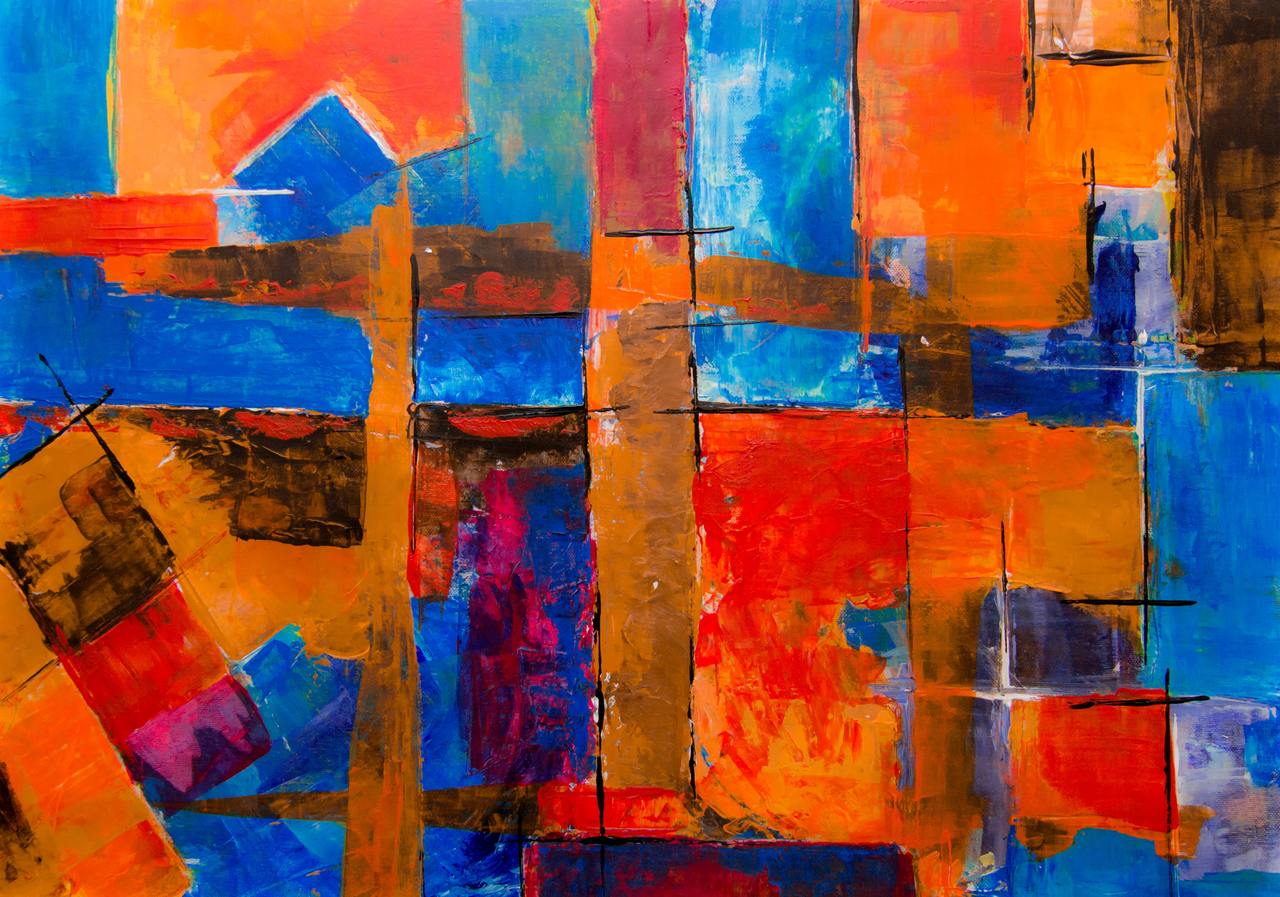
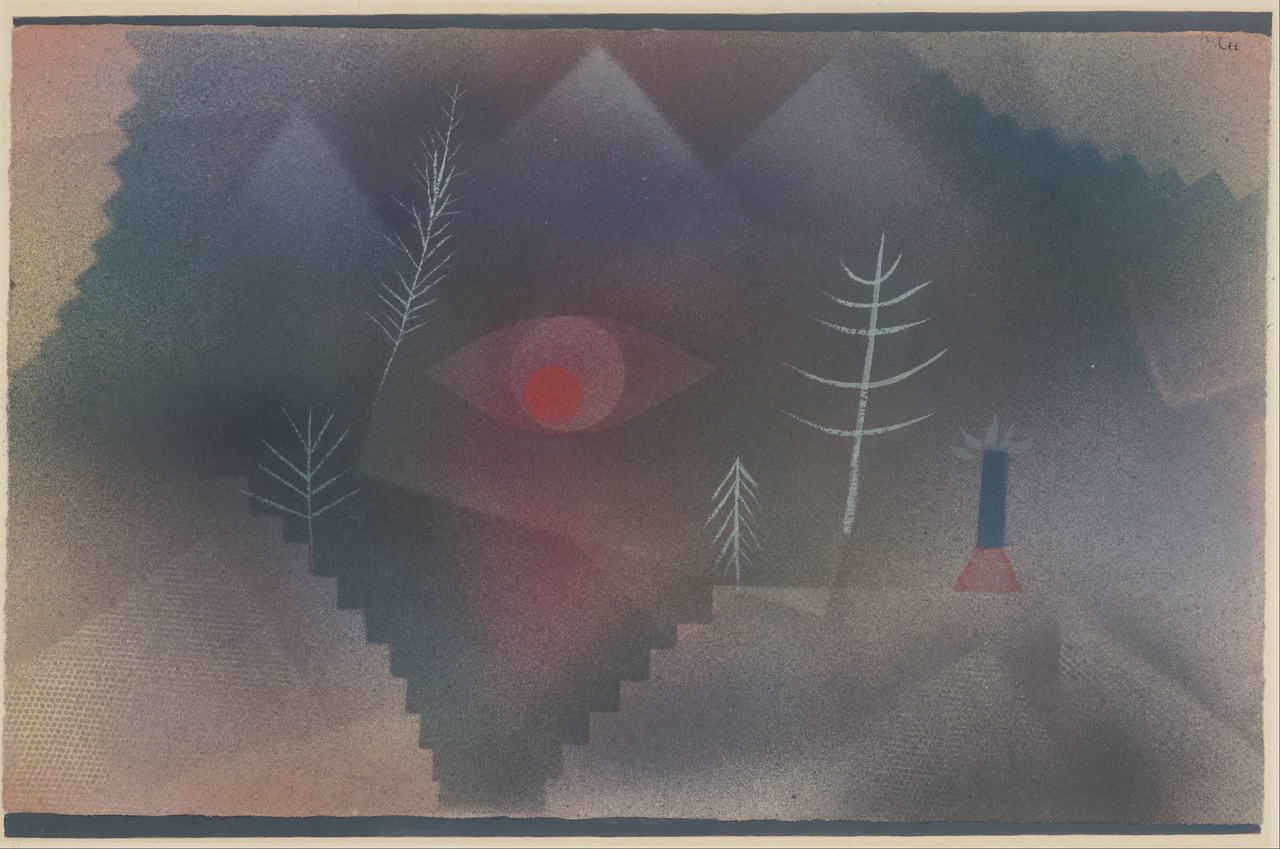
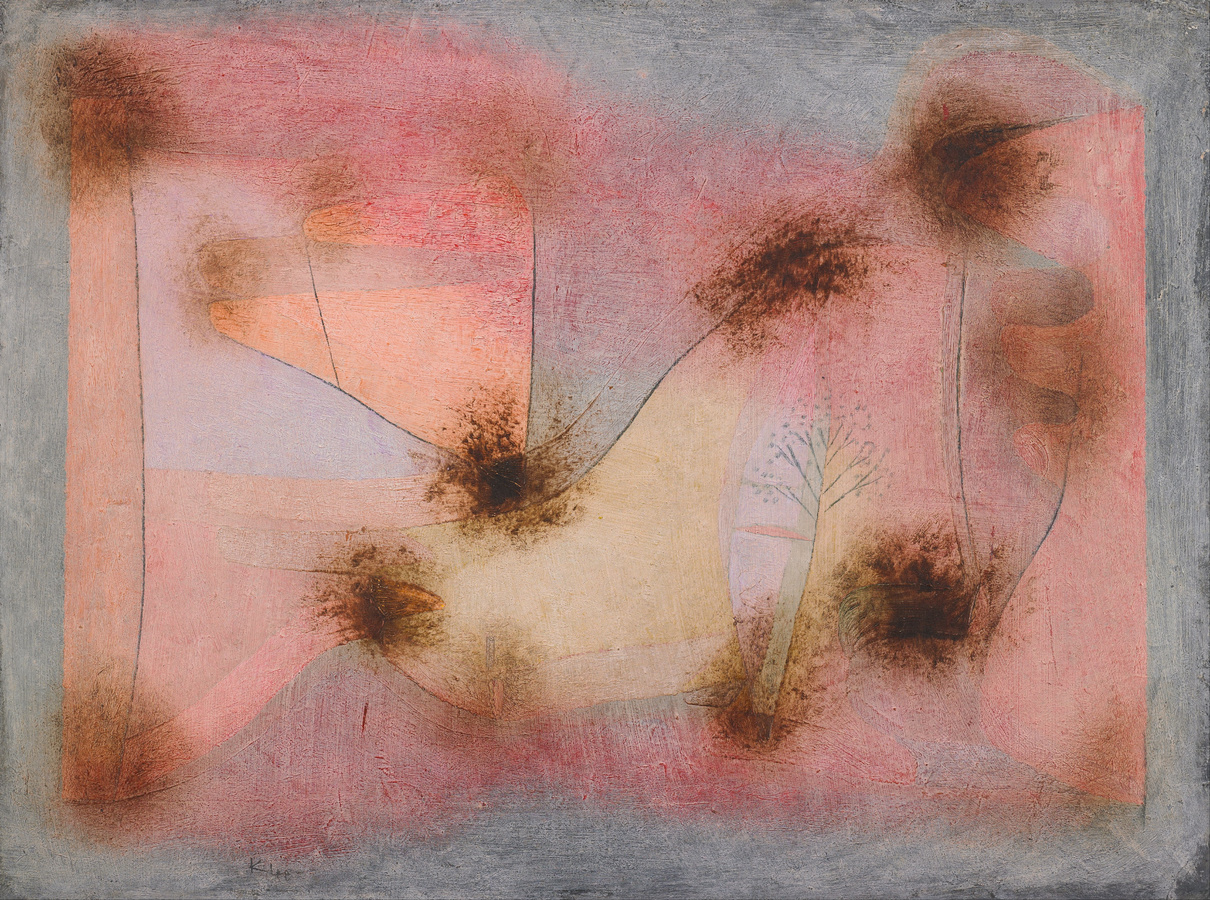
Painters often did their work in the evening to show the shadows at this time. Objects and people usually had no outline and appear to be shapes when viewed close up with this style. There are different points of view, posing and movement on the canvas, making the painting seem as though it was a snapshot of something bigger captured in that moment.

Impressionistic Artists

Some famous impressionists include 19th-century artists such as Claude Monet. “Impression Sunrise” was created in 1872 showing a harbour and the port of Le Havre. A ship sails at sunset with different colour contrasts. “Luncheon of the Boating Party” by Pierre Auguste Renoir was painted between 1880 and 1881. It shows several people dining, eating and socialising on a boat and captures the movement and light in a true impressionistic style.

When people first see an impressionistic painting, they are captured not only by the colour and light but also the realistic scenes. The style shifts away from showing more serious subject to bourgeois scenes and uses the canvas, layering and brush strokes differently from the past.

Cubism

Cubism was a style of art that wanted to change how the eye could look at a piece of art by changing the perspective of painting.

Cubism is an abstract style that came about because of sudden changes in society at the beginning of the 20th century. Artists believed that the traditions of art were bland, and perspective was changed as a result. Cubists made the observer see things from different angles and heights, which explains the abstract look of the art. From different angles, the technique makes sense to the viewer.

Unprecedented growth in the late 1800s and early 1900s changed all kinds of areas of life. Still, it was challenging to show modernity with old traditions of art. Picasso and Braque created Cubism around 1907 in Paris. They were inspired by Paul Cézanne’s work.
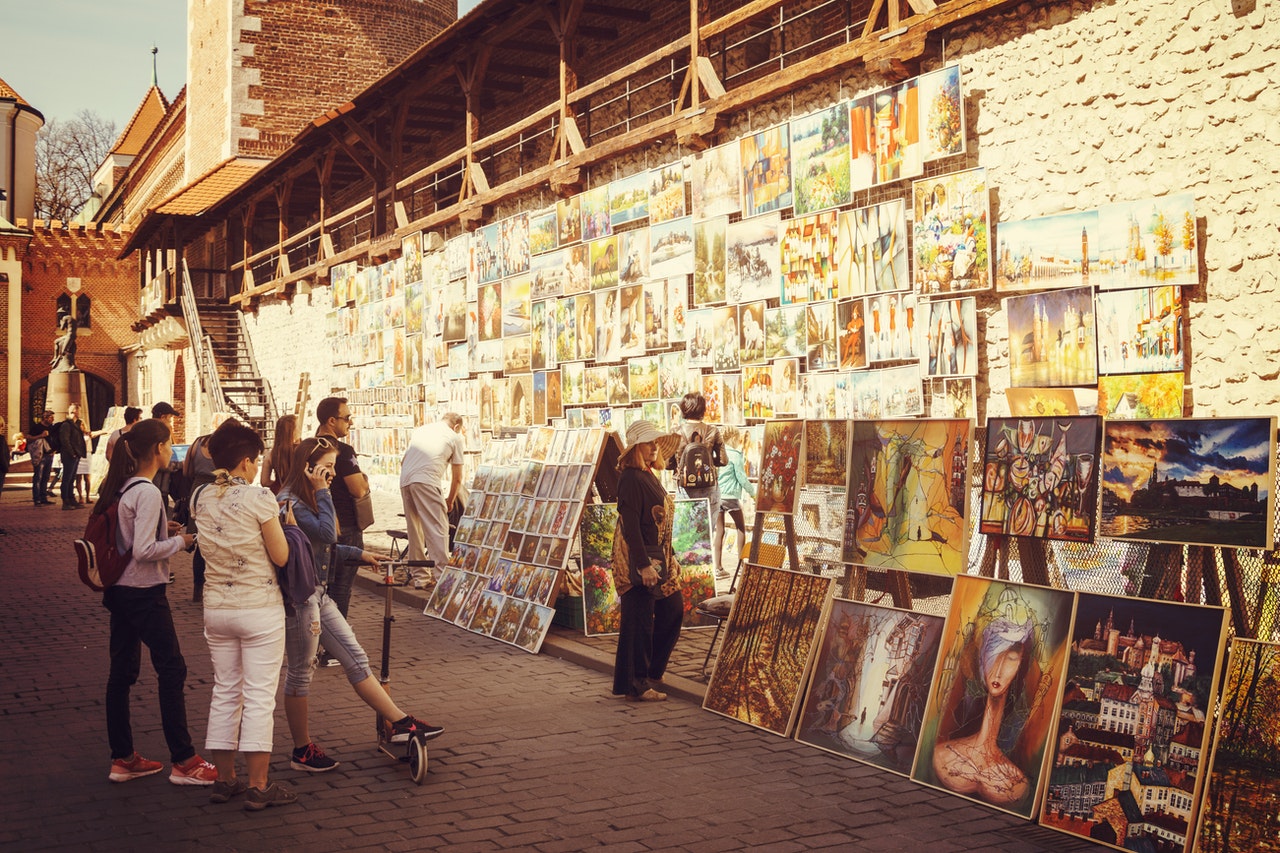
A picture with a fixed position was not enough for cubists who wanted to experiment with the geometry of perspective. ‘Relativity’ made the artist and observer select images to interpret a subject on display. People could change their viewpoint and look at objects differently. This could add extra layers of emotion or memory to an image.

Cubism was revolutionary and attempted to ground art in a more realistic way of interpreting images with the eye for the modern world.

Art Makes Us See the World Differently

Looking at an art piece always gets different reactions from the viewers and makes us question not only what is being seen but also the way that we perceive the world around us.

What Do You See and Feel?

Two people looking at the same art can see and feel completely different things. For example, some people feel shocked when they see all the swirls of light in “Starry Nights” while others feel oddly calm and at ease. Looking at pictures from the Baroque period may show people with all kinds of emotions. It may make someone question what emotion the person feels as something happens. Some people may wonder if what they are feeling and seeing is the same or completely different. This process of reflection makes us question the world around us, and if our emotional responses are different.

It Challenges Our Interpretions

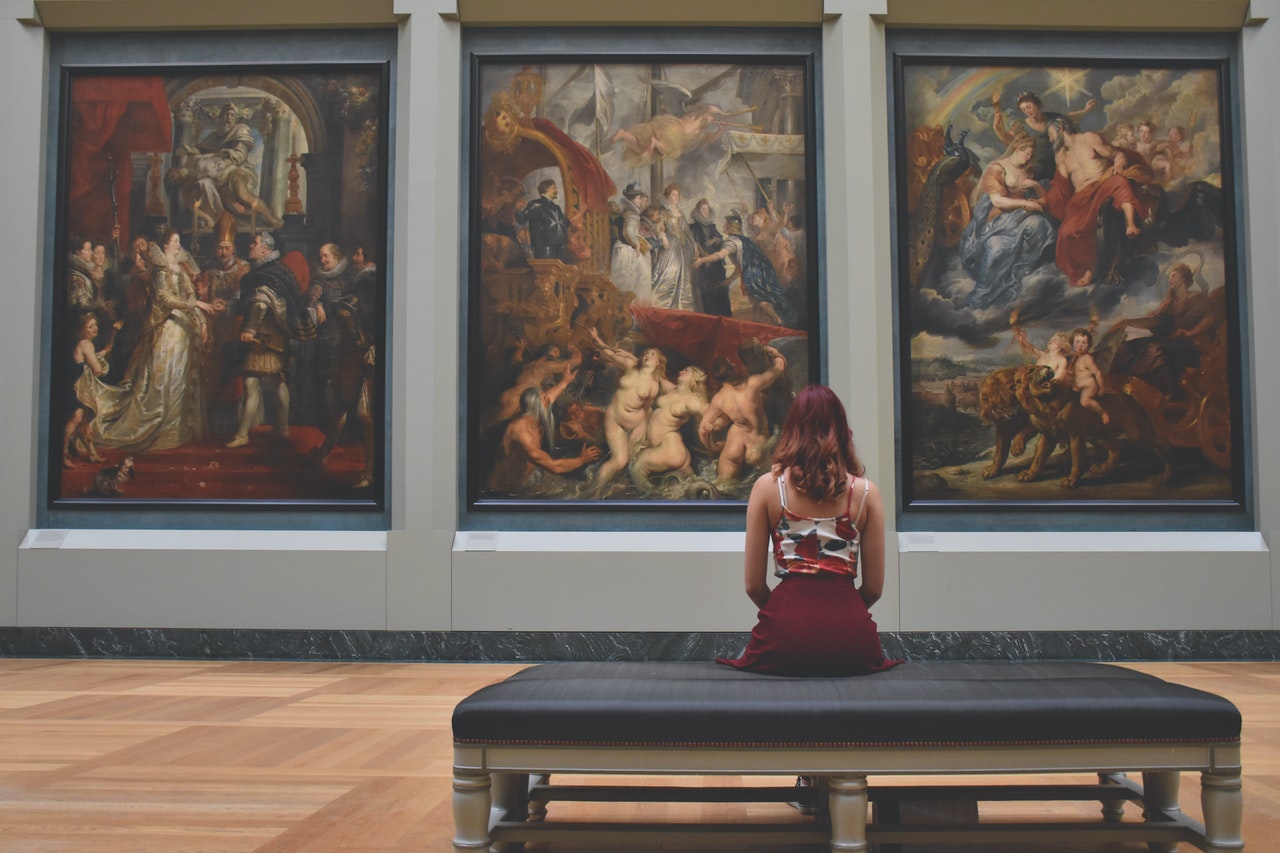
Many paintings from the Baroque or Renaissance eras have a historical or religious theme which challenges our view of history. By showing more expression on the faces of people or using different painting techniques, it can bring about all kind of discussion about men’s or women’s roles. For example, Artemisia Gentileschi showed naturalism in her paintings. Even the importance of religion in a painting can be debated. Interpretations of a culture can also be discussed from looking closely at an action or even a piece of clothing.

Art is so important for our understanding of the world around us and also ourselves. Changing small things in art and various techniques are almost endless. The topics of discussion can change as a result.