Expressionism
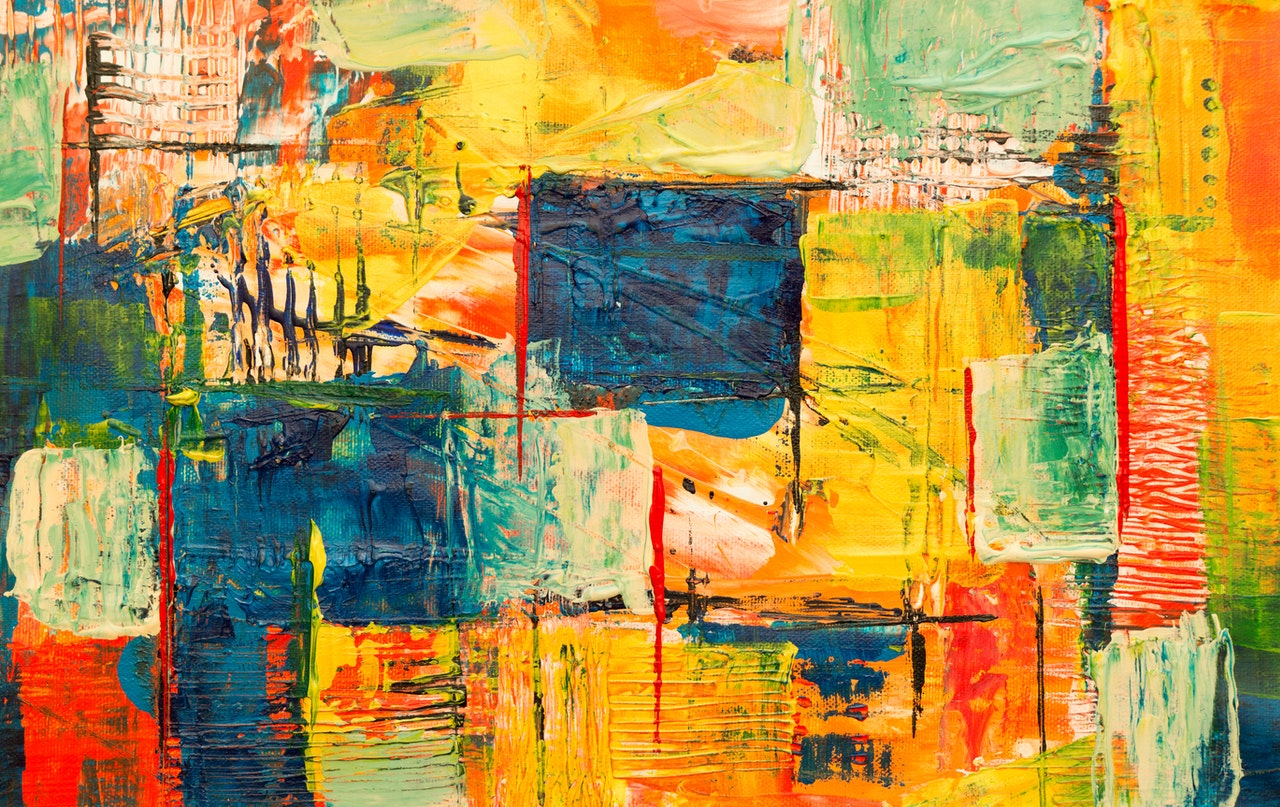
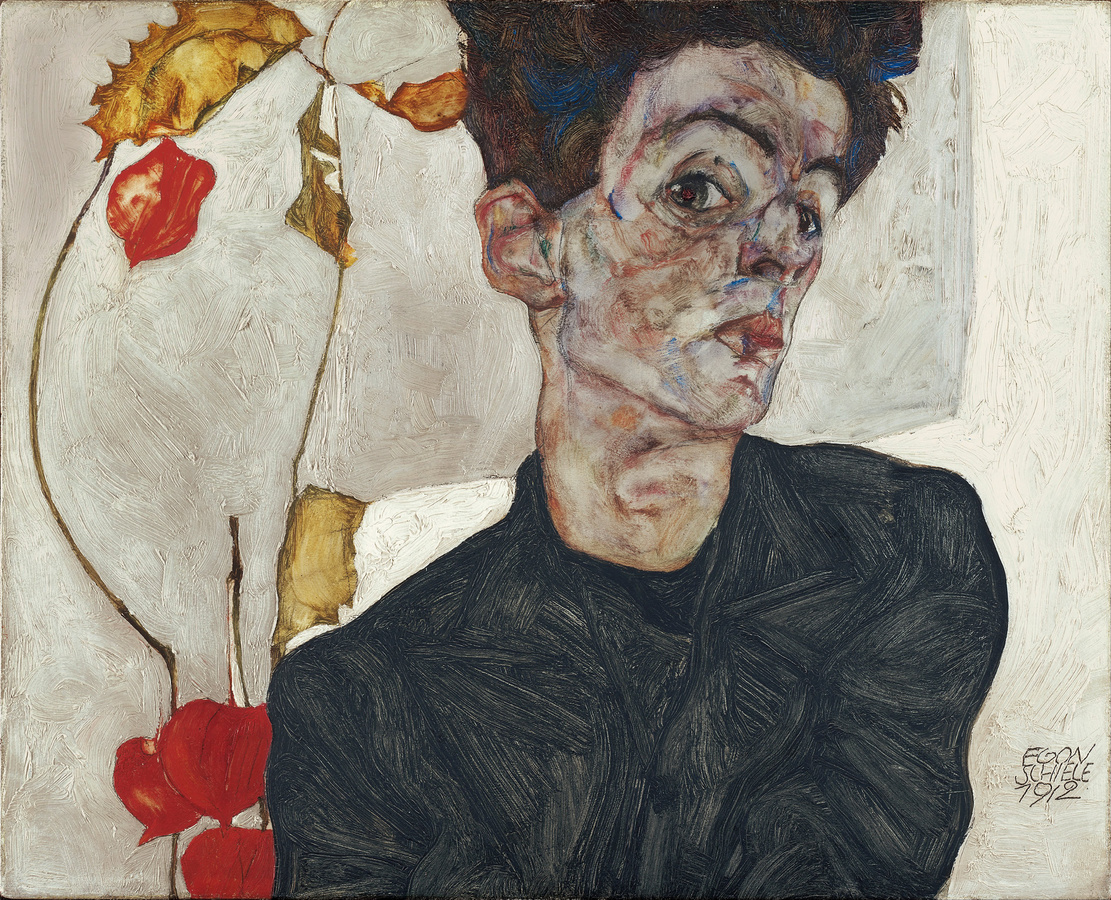
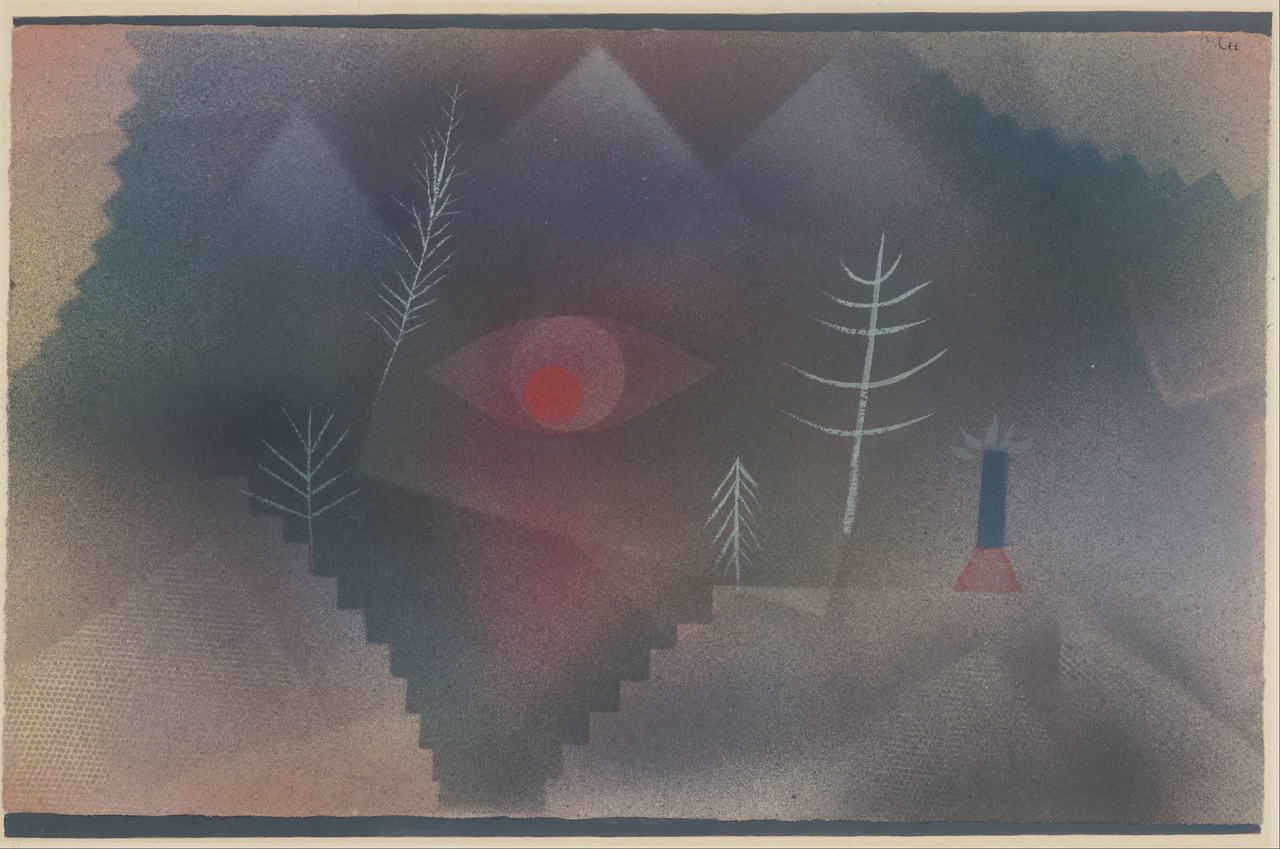
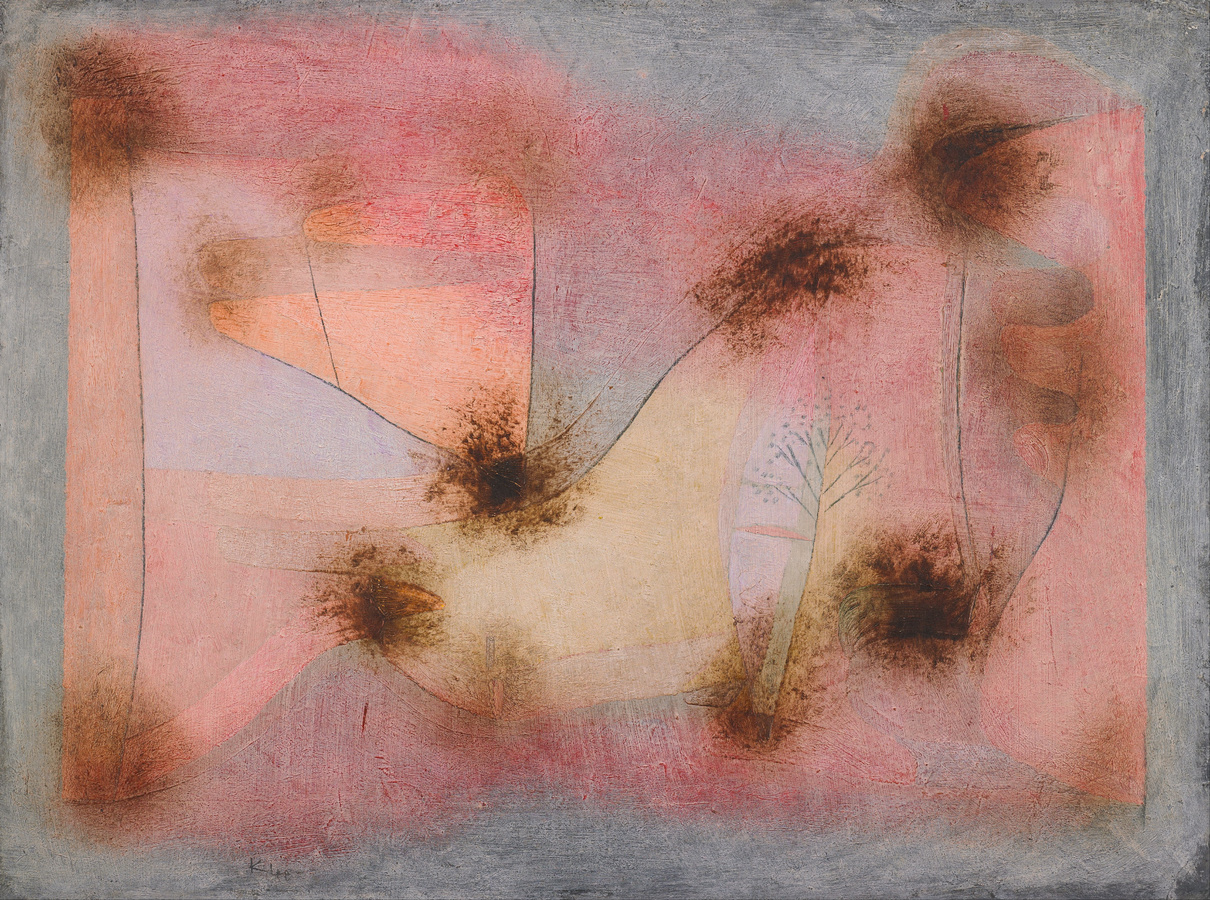
Expressionistic painting was most prominent between 1905 and 1920. The style had its origins in Germany and Austria. Artists tried to get an emotional reaction from the audience. Paintings often show distortion, exaggeration, dreamlike qualities, violence and colours that show the artist’s mood, emotions or ideas.
Expressionism had its roots in the chaotic lead up to WW1 and was both a reaction to and gained inspiration from impressionism in Germany around 1905. Impressionism’s focus on style over emotion resulted in artists such as Die Brücke wanting to get more reactions and a stir of feelings.
Some paintings and painters were motivated by Vincent Van Gogh or Edvard Munch who were both seen as an inspiration for the movement. Painters would use artificial colour palettes, quick brushstrokes and exaggeration of shapes and lines. Figures are often distorted, and the colours not standard.
The way that we see things is challe nged in paintings of this style. It is subjective and focuses on the inner world of the painter as well as the emotion of what is being felt. It was not the aim of the painter to create a pleasing feeling for the viewer.
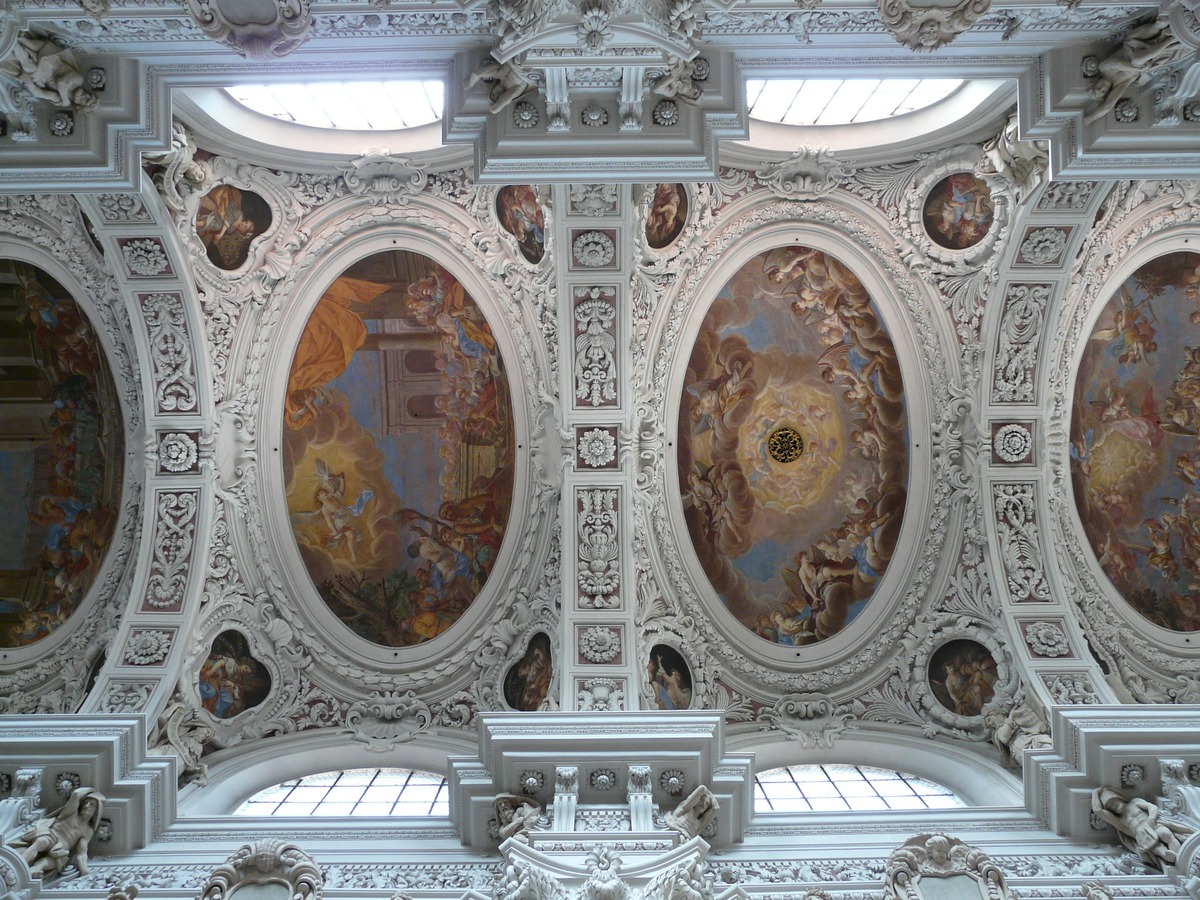
The legacy of expressionism is a long one that went beyond its fading in 1920 and influenced Abstract Expressionism. Painters even looked at the style in the 1970s with the creation of Neo-Expressionism. Expressionism also influenced contemporary art, futurism, cubism and surrealism. Some artists can see expressionism in some Baroque paintings with both showing shock and emotions with a different level of intensity.
The importance of expressionism was the incredible reactions and emotions that challenged the viewer. The style made for emotional expression from the painter onto the canvas and continued to influence painting for generations.

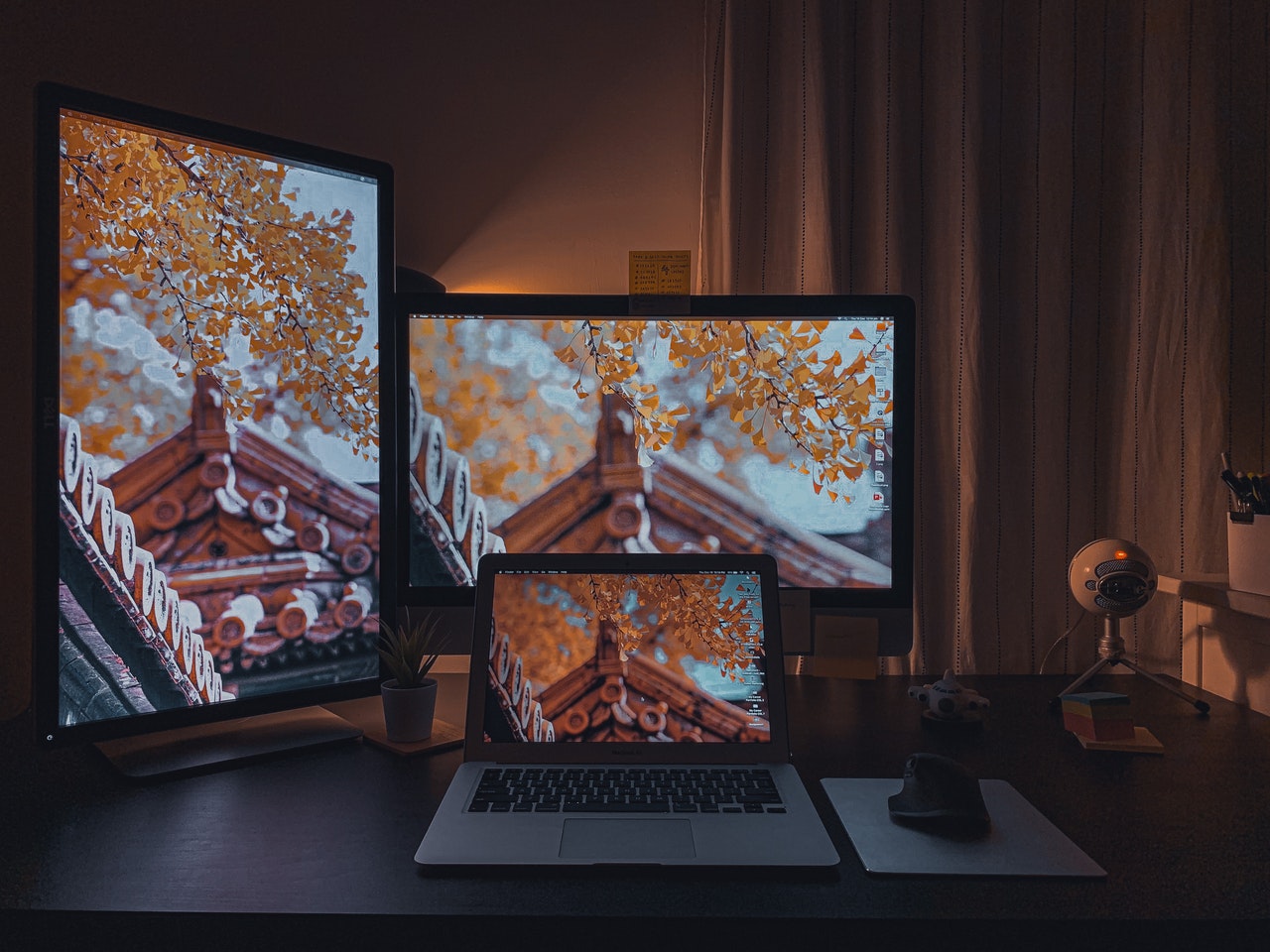 coined in the 1980s. However, early digital art was being created even in the 1960s. Kenneth Knowlton and Leon Harmon created some of the first digital art images by taking a photograph of a nude woman. It was changed with computer pixels and transformed into a picture made up of many small computer pixels to make up a larger image.
 layers of paint and then lighter layers which dried before a smooth finish. It could take weeks or months for a picture to be finished. However, impressionists used a single layer that was unglazed, and a mistake would be taken down to an empty canvas. This can be painted over again. Patches of colour were used instead of lighter or darker shades to show the closeness to the light.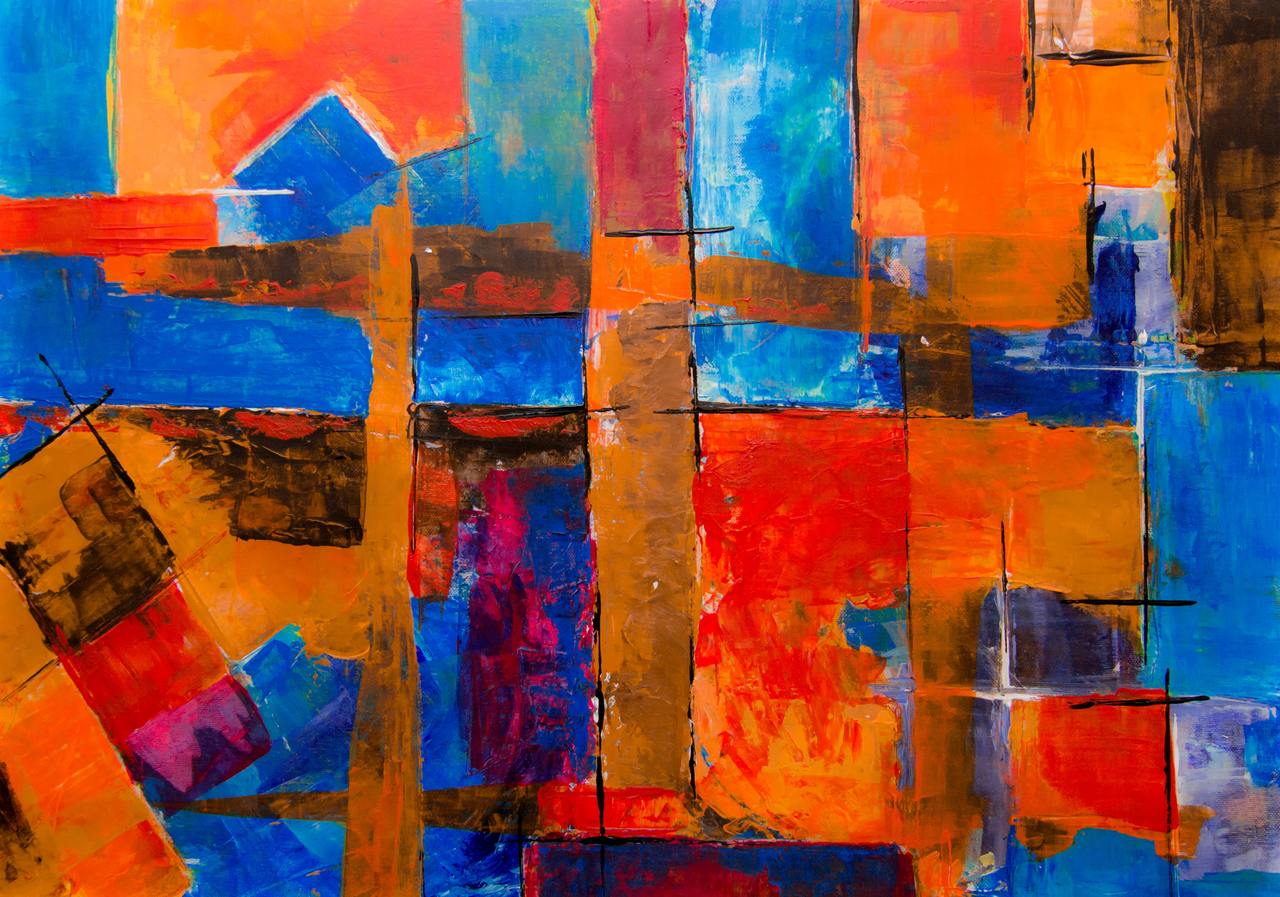
 with old traditions of art. Picasso and Braque created Cubism around 1907 in Paris. They were inspired by

 including surfaces and materials. The background also became emphasised using landscapes, and many self-portraits were popular during this period.