
Baroque Painting


The Baroque Period, from 1600 to 1750, came about after the Renaissance. It started in Italy, in Rome, and was both a continuation and reaction against the Renaissance period. Paintings, as well as the artist, reflected the difficult times that people were living in during this period. For example, the Thirty Years’ War, the plague and many other tumultuous events continued to haunt the figures in the paintings and also the artist.
Characteristics of the Baroque Period
The Baroque style became the apex of realism. It often showed the human body in all its glory with raw emotion which was supported by the use of light and dark, as well as more emphasis on backgrounds and items in paintings. Paintings had a grand style which was supported by the catholic church or monarchs to display their wealth and status.
The style rejects Renaissance restraint and very still looking paintings, with little emotion shown by the figures in such artwork. Baroque took some of the classical themes of religion, history and mythology. Again, it showed the motion of figures in the paintings as well as the full range of emotions. Drama and tension are shown more in Baroque paintings. More action and impact is resulting from pictures that appeal to the senses.
The surroundings shown on paintings became more realistic and showed how light reacts to the environment,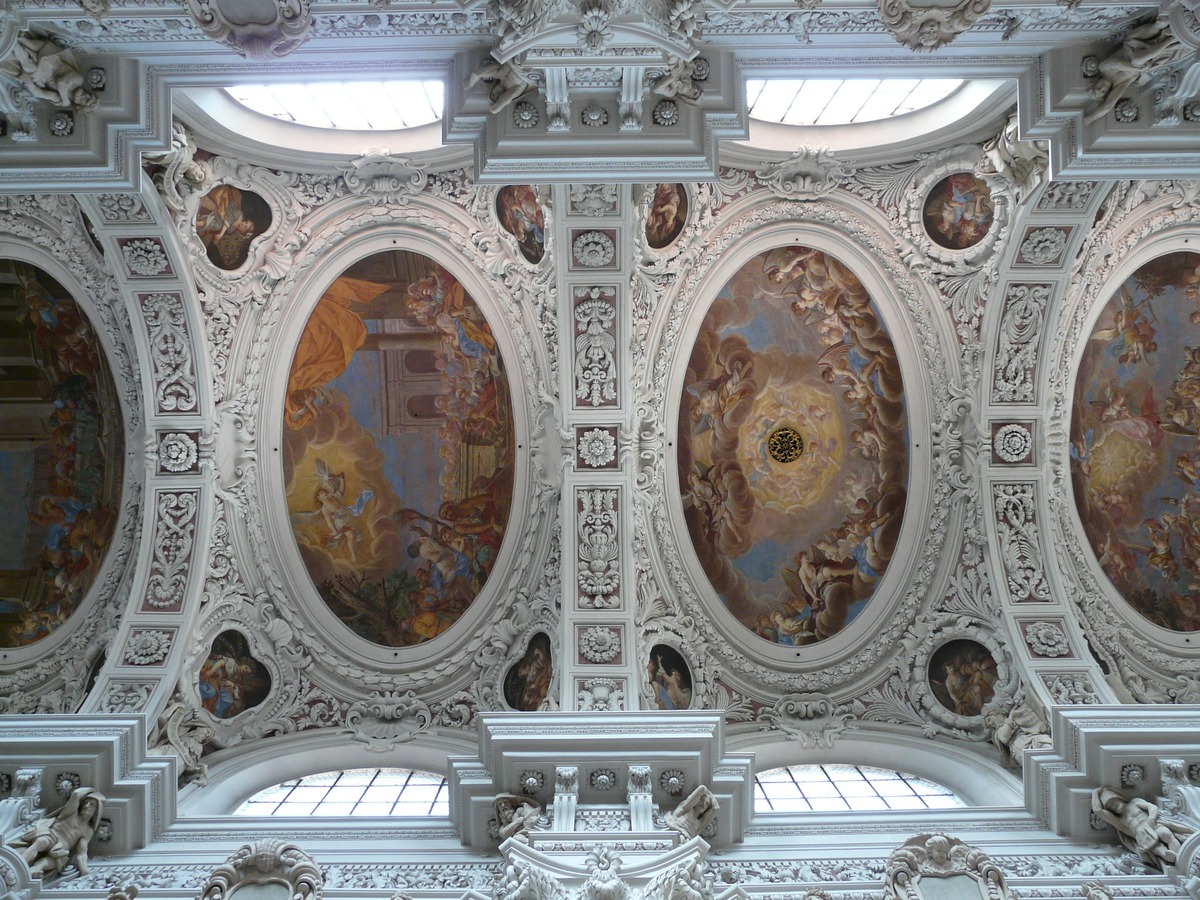 including surfaces and materials. The background also became emphasised using landscapes, and many self-portraits were popular during this period.
Open ceiling frescos were prominent in early Baroque paintings. It showed a background away from the central figures in such places as the ceiling fresco of Sant’Ignazio by Andrea dal Pozzo.
Painters and the Baroque Style
Caravaggio was one of the most famous painters of the Baroque Period. His paintings were still religious, just as the Renaissance painters. They also showed the emotional qualities of religious figures. Some of his paintings include “The Crowning with Thorns”, “St Jerome” and many other pictures. These paintings show much more dramatic images, including blood, to show more intensity.
The female artist Artemisia Gentileschi: was a famous Baroque painter. She was raped by her tutor and was tortured during his subsequent trial to show the genuineness of her claims. She exhibited paintings which showed revenge and the female emotions associated with rape.
The Baroque style showed the passion of the artist and the subjects experience, which appealed to the viewer’s senses. The painter achieved this through new techniques and greater emphasis on other parts of the painting as well as the central figures in the artwork.

 colours and distorted shapes which may be perceived as destructive to a person’s sight.